




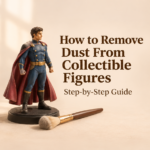

Action figures collect dust faster than almost anything else on a shelf. Every detail, from the tiny sculpted creases to the accessories in their hands, traps dirt. If a figure is played with, it also picks up fingerprints, food residue, and the occasional mystery smudge. The result is a dull, grimy figure that looks far older than it is.
The good news is that most action figures clean up beautifully with gentle tools and a little time. This guide explains exactly how to clean action figures safely, whether you own a toy-line figure, a collectible, a vintage piece, or a posable model. You will learn what to use, what to avoid, and how to deal with dust, grime, sticky residue, yellowing, and mildew without damaging paint or plastic.
In this guide
- Why cleaning action figures matters
- Know your figure’s material first
- Supplies you need
- Step-by-step: the basic cleaning method
- How to dust action figures
- How to deep clean action figures
- How to deal with specific problems
- Cleaning cloth, metal, electronic and vintage figures
- What to avoid
- How to keep action figures clean longer
- Frequently asked questions
Why Cleaning Action Figures Matters
Cleaning is not only about appearance. Dust and dirt are slightly abrasive, so they can wear paint and scratch plastic when you move or pose a figure. Oils from your hands attract more dirt. Moisture and grime in joints make them stiff, and left too long, dirt can discolor the plastic or support mold.
Regular, gentle cleaning keeps colors bright, joints moving smoothly, and collectible figures in better condition, which protects their value as well as their looks.
Know Your Figure’s Material First
The right cleaning method depends on what your figure is made of and how it is finished. Take a moment to look at the figure before you wet anything.
| Material | Examples | Cleaning Notes |
|---|---|---|
| Hard plastic (ABS, polystyrene) | Most modern articulated figures | Handles gentle soap and water well |
| Soft plastic (PVC, vinyl) | Statues, soft-goods style figures, older toys | Can become sticky with age. Use mild soap and avoid solvents. |
| Die-cast metal | Vehicles, some collector figures | Wipe dry quickly to prevent rust |
| Fabric and soft goods | Capes, robes, cloth outfits | Spot clean only, do not soak |
| Painted or printed details | Faces, logos, decals | Paint can lift, so test and dab gently |
| Electronic parts | Light-up and sound figures | Keep dry. Wipe the outside with a barely damp cloth. |
Supplies You Need to Clean Action Figures
You can get excellent results with a handful of simple items. Most are already in your home.
- Soft brushes. Makeup brushes, a soft paintbrush, or a very soft toothbrush for dust and crevices.
- Microfiber cloths that will not scratch.
- Cotton swabs for tiny details and joints.
- Mild dish soap or baby shampoo for gentle washing.
- A bowl of lukewarm water for washing and rinsing.
- A hand air blower or canned air to blow dust out of tight spaces.
- Toothpicks to pick dirt out of deep grooves.
- A dry towel to pat figures dry.
- Isopropyl alcohol (diluted) or white vinegar for specific problems, used sparingly and only after testing.
Step-by-Step: The Basic Method for Cleaning Action Figures
This method works for most hard and soft plastic figures. Follow the steps in order, and stop at the gentlest step that gets the figure clean.
Step 1: Remove loose dust
Use a soft, dry brush to sweep dust from the top of the figure downward, getting into joints, folds, and sculpted details. Follow with a short puff from a hand air blower to dislodge dust you cannot reach. Many figures only need this step.
Step 2: Test your cleaner
Mix a few drops of mild dish soap in a bowl of lukewarm water. Dampen a cotton swab, wipe it on a hidden area, wait for it to dry, and check for any paint transfer or finish change.
Step 3: Wash gently
Dip a soft brush or swab in the soapy water, shake off the excess, and clean small sections of the figure at a time. Use light circular motions on flat areas, and a swab or toothpick wrapped in a corner of cloth for crevices. Do not scrub painted faces or printed details. Dab them gently instead.
Step 4: Rinse thoroughly
Wipe the figure with a clean microfiber cloth dampened in plain lukewarm water to remove soap. Leftover soap can leave a film that attracts more dust. For sturdy figures with no electronics, a quick dip in a bowl of clean water works well.
Step 5: Dry completely
Pat the figure dry with a dry towel, then stand it on a clean towel to air dry for several hours. Check joints and crevices, where water likes to hide. Keep the figure out of direct sun and away from heaters while it dries.
How to Dust Action Figures
Dust is the main cleaning job for display figures, and regular dusting means you rarely need a full wash. Good dusting habits include:
- Use a soft makeup brush or a clean, soft paintbrush. Soft bristles reach into creases without scratching.
- Brush from top to bottom so the dust falls away from areas you have already cleaned.
- Use a hand air blower, or short bursts of canned air held upright and at a distance, to clear tight spots. Hold the can far enough away that the cold propellant does not touch the plastic.
- For stuck-on dust, use a lightly dampened (not wet) microfiber cloth or swab.
- Avoid feather dusters and dry paper towels, which can scratch and leave lint.
For figures on a shelf, dust every two to four weeks. In dusty rooms, or for figures that are not in a case, dust more often.
How to Deep Clean Action Figures
When a figure looks dingy, feels grimy, or has been handled a lot, a deeper clean brings back its color and shine. This is the method for sturdy plastic figures without electronics or fragile paint.
- Remove removable parts. Take off accessories, capes, and weapons. Clean them separately.
- Prepare a mild solution. Fill a bowl with lukewarm water and add a few drops of mild dish soap or baby shampoo.
- Wash section by section. Use a soft brush to gently clean each limb, the torso, and the head. Use swabs for joints and tight spots.
- Clean the joints. Work a damp swab around each joint to clear grime, then wipe dry. Dirt in joints causes wear.
- Rinse with clean water. Wipe or dip each part in clean water until no soap remains.
- Dry carefully. Pat dry, then air dry on a towel for several hours before reattaching accessories or posing the figure.
How to Deal With Specific Problems
Sticky or tacky figures
Some older soft plastic figures develop a sticky, oily surface as the plastic ages and releases plasticizers. Wash the figure with mild soap and water, rinse well, and dry completely. If it feels sticky again later, a very light dusting of cornstarch or talc-free baby powder, brushed off afterward, can reduce the tackiness. Avoid solvents, which can strip paint or damage the plastic. Store sticky figures away from other plastics.
Greasy fingerprints and oil
Wipe with a microfiber cloth lightly dampened with soapy water, then rinse and dry. For glossy figures, a final wipe with a clean dry cloth restores shine.
Grime in joints and crevices
Dip a toothpick or swab in soapy water and run it along the groove, turning it as it picks up dirt. A soft brush loosens stuck-on dirt. After cleaning, dry the joint thoroughly.
Yellowing
Yellowing on white or light plastic is usually caused by light exposure and aging, and it cannot always be reversed. Surface dirt can mimic yellowing, so wash the figure first, because it may look much brighter. Avoid commercial bleaching methods unless you are experienced, as they can damage paint and plastic. Prevent further yellowing by keeping figures out of sunlight.
Mold and mildew
Small mildew spots show as fuzzy white, green, or black patches, usually on figures stored in damp places. Take the figure outdoors or to a ventilated area and brush off loose spores. Wipe the spot with a cotton swab lightly dampened with diluted isopropyl alcohol (about 50 percent) or diluted white vinegar, test first on a hidden area, then rinse with a damp cloth and dry completely. Fix the humidity problem in the storage area so it does not return. Wear a mask and gloves, and do not clean heavy mold without protection.
Dust stuck in hair, fur, or textured sculpts
Use a soft brush or a clean toothbrush and flick the dust away. For flocked or fuzzy parts, use a lint roller on a light setting or a piece of tape pressed gently on the surface and lifted off.
Stickers, decals, and price tag residue
Peel stickers slowly while warming them gently with a hair dryer on low. Rub residue off with the sticky side of a piece of tape, or a cotton swab with a tiny amount of cooking oil, then wash the oily spot with mild soap and rinse. Test any oil on a hidden spot, and avoid it on porous or unpainted surfaces.
Dye transfer and stains
Color transfer from clothing, packaging, or other toys is often permanent. Act early with mild soap and water, and test diluted isopropyl alcohol on a hidden area. If it dissolves paint or finish, stop. Prevent future stains by keeping figures away from newspapers, colored fabrics, and dark plastics.
| Problem | Best First Step | Avoid |
|---|---|---|
| Dust | Soft brush and air blower | Feather dusters, dry paper towels |
| Grime and fingerprints | Mild soapy water and microfiber | Scrubbing painted details |
| Sticky surface | Wash, rinse, dry completely | Solvents and nail polish remover |
| Joint dirt | Damp swab or toothpick | Soaking glued or loose joints |
| Mildew | Brush off, then diluted alcohol or vinegar on a swab | Bleach |
| Sticker residue | Warm gently, then tape or a drop of oil | Scraping with metal tools |
| Yellowing | Clean first, then prevent light exposure | Harsh bleaching |
Cleaning Cloth, Metal, Electronic and Vintage Figures
Cloth capes and fabric outfits
Do not soak or machine wash fabric parts that are glued, sewn tightly, or dyed. Brush off dust with a soft brush or lint roller and blot stains with a cloth dampened with mild soapy water. Allow the fabric to air dry fully before putting it back on the figure.
Die-cast metal figures and vehicles
Wipe with a damp cloth and dry immediately. Do not leave metal parts wet, because water can cause rust and corrosion, especially on unpainted areas. A thin buff with a dry microfiber cloth restores shine.
Figures with lights, sounds, or batteries
Never submerge electronic figures. Remove the batteries first if the compartment is accessible, then wipe the outside with a barely damp cloth and dry immediately with a soft towel. Use swabs around buttons and speaker grills, taking care not to push water inside.
Vintage and rare collectibles
Older figures often have fragile paint, brittle plastic, and aged decals. Use the gentlest approach: soft brush dusting and spot cleaning with a slightly damp swab. Avoid soaking and avoid any chemical cleaner. For very valuable pieces, consider asking an experienced collector or a professional restorer before cleaning.
Packaging and display boxes
Cardboard and window boxes should be kept dry. Dust the plastic window with a microfiber cloth. Never use water on cardboard, which can stain and warp. If a box is damaged by moisture, it can reduce a collectible’s value.
What to Avoid When Cleaning Action Figures
- Acetone, nail polish remover, and strong solvents, which melt paint and plastic.
- Bleach and harsh household cleaners, which discolor and weaken plastic.
- Abrasive sponges and magic erasers, which scratch and remove paint and gloss.
- Hot water and dishwashers, which can warp plastic and loosen glue and paint.
- Hair dryers on high heat, which soften plastic.
- Scrubbing painted faces and decals, which lifts paint.
- Soaking figures with glued parts or electronics.
- Putting wet figures into a box or case, which encourages mold.
- Using too much product, which can leave residue and attract dust.
How to Keep Action Figures Clean Longer
A few habits cut down on how often you need to clean.
- Use a display case. Glass or acrylic cases keep out most dust and reduce handling.
- Keep figures out of direct sunlight. Sun causes fading and yellowing.
- Control humidity. Keep the room dry and add silica gel packets to closed boxes.
- Wash hands before handling. Oils and food residue transfer easily to plastic.
- Avoid eating near figures. Food particles and grease attract dust and pests.
- Dust on a schedule. A quick brush every few weeks stops buildup.
- Store figures properly. Use acid-free tissue or soft bags, and avoid stacking heavy items on top.
- Keep different plastics apart. Soft plastics can react with other materials over time.
- Keep the air clean. Rooms with smoke, cooking fumes, or pets build up grime faster.
How Often Should You Clean Action Figures?
| Situation | Suggested Frequency |
|---|---|
| Figures in a closed display case | Dust every one to two months |
| Figures on an open shelf | Dust every two to four weeks |
| Figures played with often | Wipe or wash as needed, usually monthly |
| Figures in storage | Check every few months for dust, damp, and mildew |
| Deep clean with soap and water | Only when visibly dirty, grimy, or sticky |
Frequently Asked Questions
What is the safest way to clean action figures?
Start with a soft brush and a hand air blower to remove dust. If the figure is grimy, use a soft brush or cotton swab with lukewarm water and a few drops of mild dish soap, rinse with a damp cloth, and dry completely. Always test on a hidden area first.
Can I wash action figures with soap and water?
Most plastic figures can be washed with mild soap and lukewarm water. Do not soak figures with electronics, glued parts, magnets, or fragile hand-painted details, and avoid washing very old or rare collectibles beyond gentle spot cleaning.
How do I clean action figures without damaging the paint?
Use soft tools, light pressure, and mild soap. Dab painted areas rather than rubbing, avoid solvents, and test your method on a hidden spot. If the cloth shows color transfer, stop and switch to dry brushing.
How do I get dust out of action figure joints?
Use a soft brush, a hand air blower, or a damp cotton swab. A toothpick wrapped with a corner of a cloth can reach tight spots. Dry the joints afterward so moisture does not build up.
Can I use rubbing alcohol on action figures?
Diluted isopropyl alcohol can help with some stains and mildew, but it can also dissolve paint and dull finishes. Use it sparingly on a cotton swab after testing on a hidden area, and avoid it on painted faces and decals.
How do I clean sticky action figures?
Wash with mild soap and lukewarm water, rinse well, and dry completely. A very light dusting of cornstarch afterward can reduce stickiness. Avoid solvents, which can damage the plastic and paint.
How often should I clean my action figures?
Dust display figures every two to four weeks and wash them only when they look dirty. Figures in a closed case can go longer between cleanings, while figures that are played with need more frequent wiping.
Final Thoughts
Learning how to clean action figures properly protects your collection and keeps every figure looking sharp. Start with the gentlest option, a soft brush and air blower, and move to soap and water only when needed. Test before you clean, avoid harsh chemicals, dry everything completely, and keep figures out of sunlight and damp rooms.
With a few soft tools and a little patience, you can bring dusty, grimy figures back to life, so every figure on your shelf looks as good as the day you got it.