
How to Choose Age Appropriate Toys: A Parent’s Complete Guide
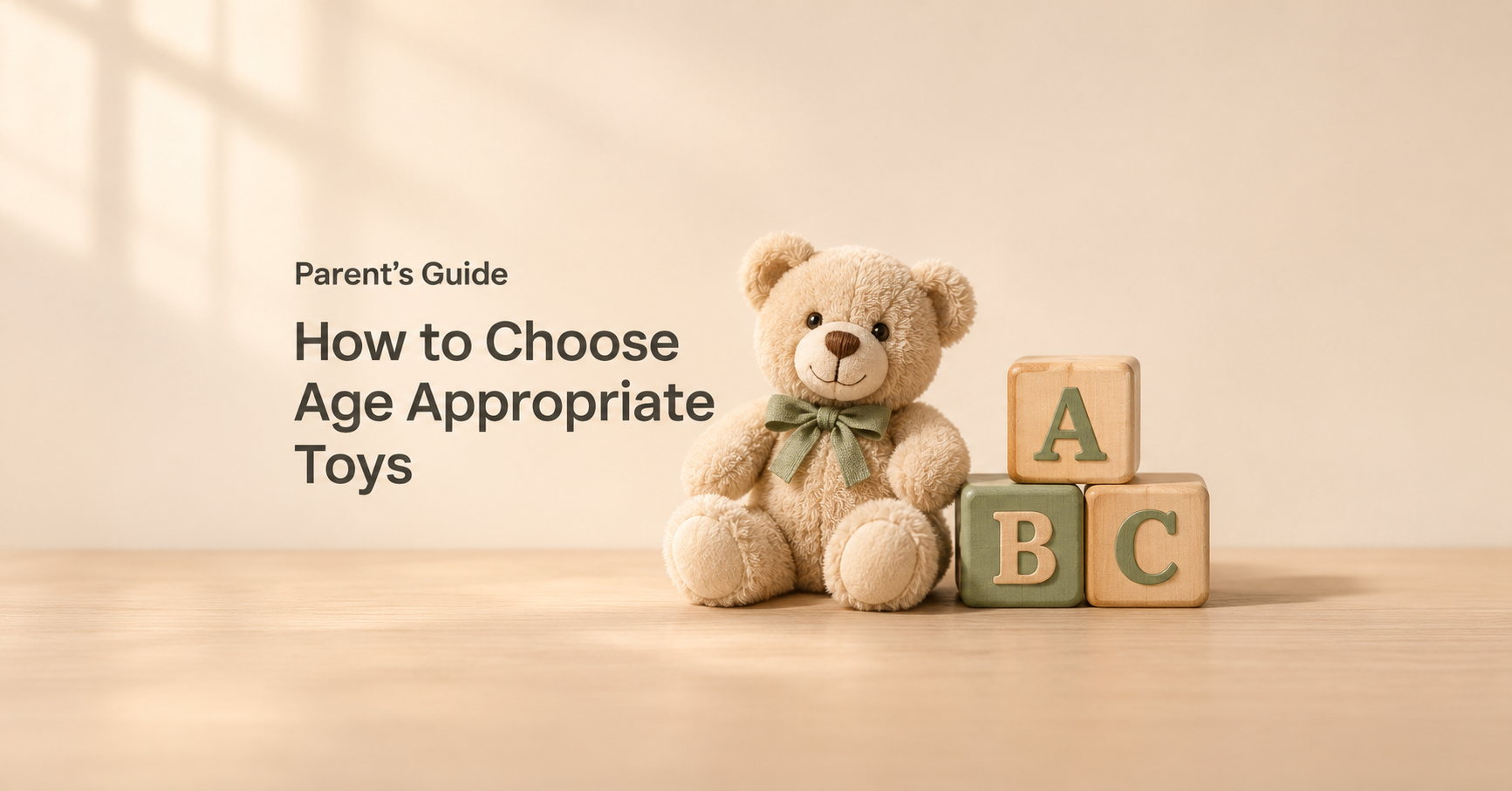
Walk into any toy store or browse an online shop and you will find thousands of choices, all promising fun, learning and happy kids. But the right toy is not simply the most popular or the most colorful one. The best toys are safe, match your child’s stage of development, and fit their interests. This guide explains how to choose age appropriate toys with confidence, whether you are shopping for your own child, a niece, a nephew or a classroom.
Why Age Appropriate Toys Matter
Age guidance on toys exists for good reasons. Choosing a toy that fits a child’s age and skills helps in three ways:
- Safety: toys for older children can contain small parts, sharp edges, strong magnets or batteries that are dangerous for younger kids.
- Development: a toy that is well matched to a child’s abilities helps build motor skills, thinking, language, creativity and social skills.
- Enjoyment: a toy that is too hard can cause frustration, while one that is too easy can be boring. The best toys are challenging but achievable.
What the Age Label on a Toy Really Means
Most toys carry an age range, such as 3+ or 6 and up. These labels are mainly based on safety testing and developmental suitability. They are not a measure of how intelligent a child is. A label of 3+ often means that the toy contains small parts that could be a choking hazard for children under three. Treat the age label as a safety guide first and a developmental hint second.
Look for recognized safety markings on packaging, such as those that show the toy meets national or regional toy safety standards. Examples include CE or UKCA marks, and statements of compliance with standards like ASTM F963 or EN 71.
Toy Guide by Age Stage

Babies (0 to 12 Months)
Babies explore the world with their hands and mouths, and they love bright colors, contrasting patterns and gentle sounds.
- Good choices: soft rattles, teethers, cloth books, play mats, textured balls and unbreakable mirrors.
- Look for: toys that are lightweight, washable, free from small parts and safe to chew.
- Avoid: small parts, button batteries, long strings, toys with detachable pieces and anything with sharp edges.
Toddlers (1 to 2 Years)
Toddlers are on the move. They are learning to walk, climb, stack, push and pull, and they love to copy what adults do.
- Good choices: large stacking blocks, push and pull toys, shape sorters, chunky puzzles, simple musical toys and board books.
- Look for: sturdy toys that can survive being dropped, thrown and chewed.
- Avoid: toys with small pieces, loose cords, balloons and magnets small enough to be swallowed.
Preschoolers (3 to 4 Years)
Imagination takes off at this stage. Children love pretend play, drawing, simple building and stories.
- Good choices: play kitchens, dress-up clothes, toy tools, building blocks, art supplies, simple puzzles, picture books and ride-on toys.
- Look for: open-ended toys that can be used in many ways.
- Avoid: toys with tiny pieces if there is a younger sibling in the house, and strong magnets and button batteries unless properly secured.
Early School Age (5 to 7 Years)
Children are building reading, counting and social skills, and they enjoy rules, collecting and creating.
- Good choices: beginner board games, card games, building sets, craft kits, simple science kits, bikes and scooters (with safety gear), and early chapter books.
- Look for: toys that encourage turn-taking, problem solving and creativity.
Older Children (8 to 12 Years)
Kids now enjoy challenges, strategy and hobbies, and their interests become more specific.
- Good choices: strategy and family board games, science and robotics kits, more complex building sets, model kits, musical instruments, sports gear and art sets.
- Look for: toys that deepen an existing interest or open the door to a new one.
Teens (13 and Up)
Teens often outgrow traditional toys but still enjoy hobbies, games and creative projects.
- Good choices: advanced puzzles, hobby kits, coding and electronics kits, drawing and craft supplies, sports equipment and strategy games.
- Look for: items that match their personal interests and skill level.
Safety Checklist Before You Buy

Small Parts and Choking Hazards
For children under three, avoid toys with small parts. A simple rule of thumb is that anything small enough to fit inside a toilet paper tube could be a choking hazard. Balloons, marbles, coins and small balls also pose serious choking risks for young children.
Button Batteries and Magnets
Button batteries and small, powerful magnets can cause serious internal injuries if swallowed. Choose toys with battery compartments that close with a screw, and keep loose batteries and magnets out of reach.
Cords, Strings and Straps
Long strings and cords can create a strangulation risk for babies and toddlers. Avoid toys with long loops, and remove any strings from cribs and play spaces.
Materials and Construction
Look for toys labeled non-toxic, with smooth edges and solid construction. Check that stuffed toys have securely stitched seams and eyes, and that painted toys do not flake.
Noise Level
Some electronic toys can be very loud. Test the volume in the shop if possible, and choose toys with volume control for young children.
Match the Toy to Your Child’s Skills and Interests
Age is only a starting point. Every child develops at their own pace, so consider the individual child as well.

- Observe their play. Do they love building, drawing, pretending or moving? Choose toys that support what they already enjoy.
- Think about their current abilities. A child who is a little ahead or behind the typical range may enjoy toys from a neighboring age bracket, as long as they are safe.
- Look for a gentle challenge. The best toy is one your child can use now but can still grow into.
- Consider special needs. Children with developmental differences or disabilities may benefit from sensory toys or adaptive toys. A pediatric therapist or teacher can offer suggestions.
Tips for Choosing Toys That Last
- Choose open-ended toys. Blocks, art supplies, dolls, vehicles and play sets can be used in countless ways and stay interesting for years.
- Look for durability. Well-made toys cost a little more but last longer and can be handed down.
- Pick washable or wipeable toys. They are easier to keep clean, especially for babies and toddlers.
- Avoid too many toys. A smaller number of good toys is better than a room full of them. Rotate toys to keep play fresh.
- Read the packaging. Check for recommended age, battery type, assembly needs and safety warnings.
- Consider your space. Make sure you have room to store large toys, and think about whether the toy suits your home.
Buying Toys When Children of Different Ages Share a Home
If you have both a baby and an older child, small parts and loose pieces from the older child’s toys can be a danger to the younger one. Try these tips:
- Keep older children’s toys with small parts in a high shelf or a closed bin.
- Set up a separate play area for the older child.
- Teach older siblings to pick up small pieces and keep them away from the baby.
- Choose toys that suit both ages, such as big blocks, books and ride-ons, so they can play together safely.
Buying Toys as Gifts
When you are shopping for someone else’s child, it helps to ask the parents about the child’s age, interests and what toys they already have. If you are unsure, choose a book, an art set, a puzzle or a classic building toy. Always check the age label, keep the receipt for exchanges, and include any batteries needed, along with safety warnings if the child is young.
Second-Hand and Hand-Me-Down Toys
Second-hand toys can be a great way to save money, but check them carefully:
- Inspect for cracks, loose parts, sharp edges and missing pieces.
- Check that stuffed toys are not torn and eyes or buttons are firmly attached.
- Avoid very old painted toys, since they may contain unsafe paint.
- Check whether the toy has been recalled by checking your national product safety agency.
- Clean toys thoroughly before use.
Smart Shopping: Do and Avoid

Caring for Toys and Checking Them Regularly
- Check toys regularly for cracks, loose parts, sharp edges and worn seams.
- Remove batteries from toys that are not in use.
- Wash plush toys and wipe plastic toys according to the instructions.
- Throw away or repair broken toys promptly.
- Keep toys stored in a dry place, away from heat and humidity.
Frequently Asked Questions
What does “age appropriate” mean for toys?
It means the toy is safe and suitable for a child’s developmental stage, including their physical, mental and social abilities.
Can I buy a toy for an older age than my child?
Be careful. Toys labeled for older children can contain small parts or features that are unsafe for younger kids. If you buy a toy marked for an older child, always supervise play and check for hazards.
Are age labels about intelligence?
No. The labels are primarily based on safety and typical development, not on how clever a child is.
What toys are best for toddlers?
Large blocks, push and pull toys, shape sorters, chunky puzzles, board books and simple musical toys are great choices.
How many toys does a child need?
Fewer than you might think. A small selection of high-quality, open-ended toys, rotated regularly, encourages deeper play than a large pile.
Are electronic toys good for young children?
Some can be fun and educational, but toys that encourage active play, imagination and interaction are usually more valuable. Choose electronic toys with volume control and limit screen-based play for young children.
How do I know if a toy is safe?
Check the age label and safety markings, inspect for small parts, sharp edges and loose pieces, and make sure the toy is well made and made from non-toxic materials.
Final Thoughts
Learning how to choose age appropriate toys is one of the best ways to keep children safe while helping them learn and grow. Start with the age label, check for safety hazards, match the toy to your child’s skills and interests, and choose well-made toys that will last. With these simple steps, you can pick toys that are fun today and meaningful for years to come.