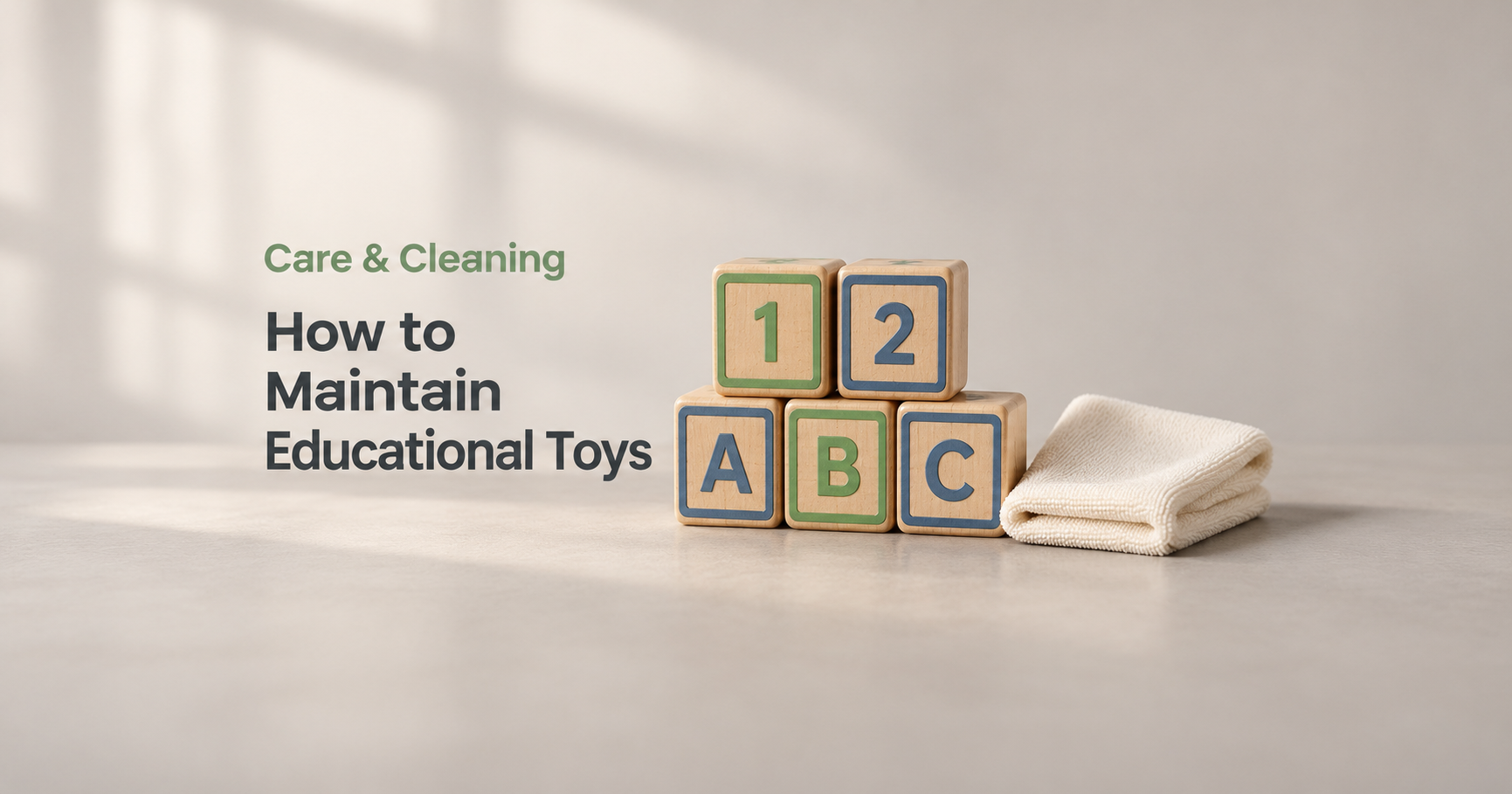

How to Maintain Educational Toys: Cleaning, Storage and Care Tips
Educational toys are an investment in your child’s learning. From wooden puzzles and building blocks to electronic learning tablets and science kits, these toys are designed to support skills such as counting, reading, problem solving and creativity. But like anything children use every day, they get dirty, worn and sometimes broken. The good news is that a few simple habits can keep them clean, safe and working for years. This guide explains how to maintain educational toys of every type.
Why Maintaining Educational Toys Matters
- Hygiene: young children touch, share and mouth their toys, so germs and grime build up quickly.
- Safety: cracks, loose parts and weak batteries can turn a good toy into a hazard.
- Value: well-cared-for toys last longer, can be passed on to siblings and keep their resale value.
- Learning: a puzzle with missing pieces or a game with torn cards loses much of its educational power.
General Rules for Caring for Any Toy
- Read the manufacturer’s care instructions on the box or label, and keep them if possible.
- Use mild soap and water for most cleaning. Avoid harsh chemicals, bleach and strong solvents, especially on toys young children put in their mouths.
- Never soak toys that contain electronics, batteries or fabric-covered parts unless the label says it is safe.
- Dry toys thoroughly before storing them to prevent mold, warping and rust.
- Check toys regularly for damage, and repair or remove broken items promptly.
How to Clean Educational Toys by Material

Wooden Toys
Wooden blocks, puzzles and play sets are popular because they last, but wood can swell, crack or warp if it stays wet.
- Wipe with a cloth lightly dampened with water and a drop of mild soap.
- Wipe again with a clean, damp cloth to remove soap residue.
- Dry immediately with a clean towel and let it air dry fully.
- Do not soak wooden toys or put them in the dishwasher.
- If the surface becomes rough, sand lightly with fine sandpaper and, if needed, finish with a child-safe, food-safe oil or wax.
Plastic Toys
- Wash in warm, soapy water using a soft cloth or sponge.
- Use an old toothbrush to clean crevices and textured areas.
- Rinse well and air dry on a clean towel.
- Only use the dishwasher if the label says the toy is dishwasher safe, and place it on the top rack.
- Avoid hot water or high heat on plastic toys, as heat can warp or crack them.
Plush and Fabric Toys
- Check the care label for washing instructions.
- Machine-washable toys can go in a mesh laundry bag on a gentle cycle with mild detergent.
- For toys that cannot be machine washed, spot clean with a damp cloth and mild soap.
- Dry completely, since damp stuffing can develop mold. Air drying or a low-heat dryer cycle works for many toys, if the label allows.
- Remove batteries or electronic modules first if they are removable.
Electronic Learning Toys
Interactive tablets, talking toys and learning robots need extra care.
- Turn the toy off and remove the batteries before cleaning.
- Wipe the surface with a soft cloth slightly dampened with water or a gentle cleaning solution.
- Never spray liquids directly onto the toy or submerge it.
- Use a cotton swab to clean around buttons, screens and speaker openings.
- Let the toy dry fully before reinserting batteries.
Puzzles, Board Games and Cards
- Do not wash cardboard puzzle pieces or game boards. Wipe the surface lightly with a dry or barely damp cloth.
- Store puzzles in their boxes or in zip bags to keep the pieces together.
- Keep cards flat and away from moisture, and consider card sleeves for frequently used cards.
- Count pieces after each use so that missing pieces are noticed right away.
Magnetic Toys and Building Tiles
- Wipe with a damp cloth and mild soap, then dry thoroughly.
- Do not soak magnetic toys, as water may get inside and damage the magnets or cause rust.
- Check regularly for cracks. If a tile is broken and a magnet is exposed, remove it from play immediately.
Books, Flashcards and Learning Charts
- Wipe laminated or board books with a barely damp cloth.
- Keep them away from sunlight, which fades covers, and from damp areas.
- Repair torn pages with clear book repair tape.
How to Sanitize Toys Safely
When a child is unwell, or toys are shared in a classroom or a play group, regular cleaning with soap and water can be followed by sanitizing.
- Clean first. Sanitizers work best on clean surfaces.
- Use only products that are labeled as safe for toys and follow the directions on the label.
- Rinse toys that go in a baby’s mouth with clean water and let them dry.
- Avoid sanitizing electronic toys with liquid. Use a lightly dampened wipe instead.
- Keep cleaning products out of reach of children and never mix different cleaning products together.
Build a Simple Toy Care Routine

- Daily: pick up toys, put pieces back in their boxes and return items to their places.
- Weekly: wipe down the most-used toys, especially those that go in mouths or are shared.
- Monthly: check for damage, wear, loose parts and weak batteries.
- Seasonal: do a deeper clean, donate or pass on toys that are outgrown, and rotate toys.
Smart Storage for Educational Toys
Good storage protects toys from damage and helps children find and put away what they need.

- Use clear bins or labeled boxes so that you can see what is inside at a glance.
- Keep sets together. Use zip bags or small containers for pieces from puzzles, counting sets and science kits.
- Use low shelves. Children can see and reach their toys, and tidying up becomes easier.
- Do not overfill bins. Crowded toys can get crushed, bent or scratched.
- Store in a cool, dry place away from direct sunlight, heaters and damp areas.
- Rotate toys. Keep a box of toys out of sight and swap them every few weeks. This keeps interest high and reduces wear.
Battery Care for Electronic Educational Toys
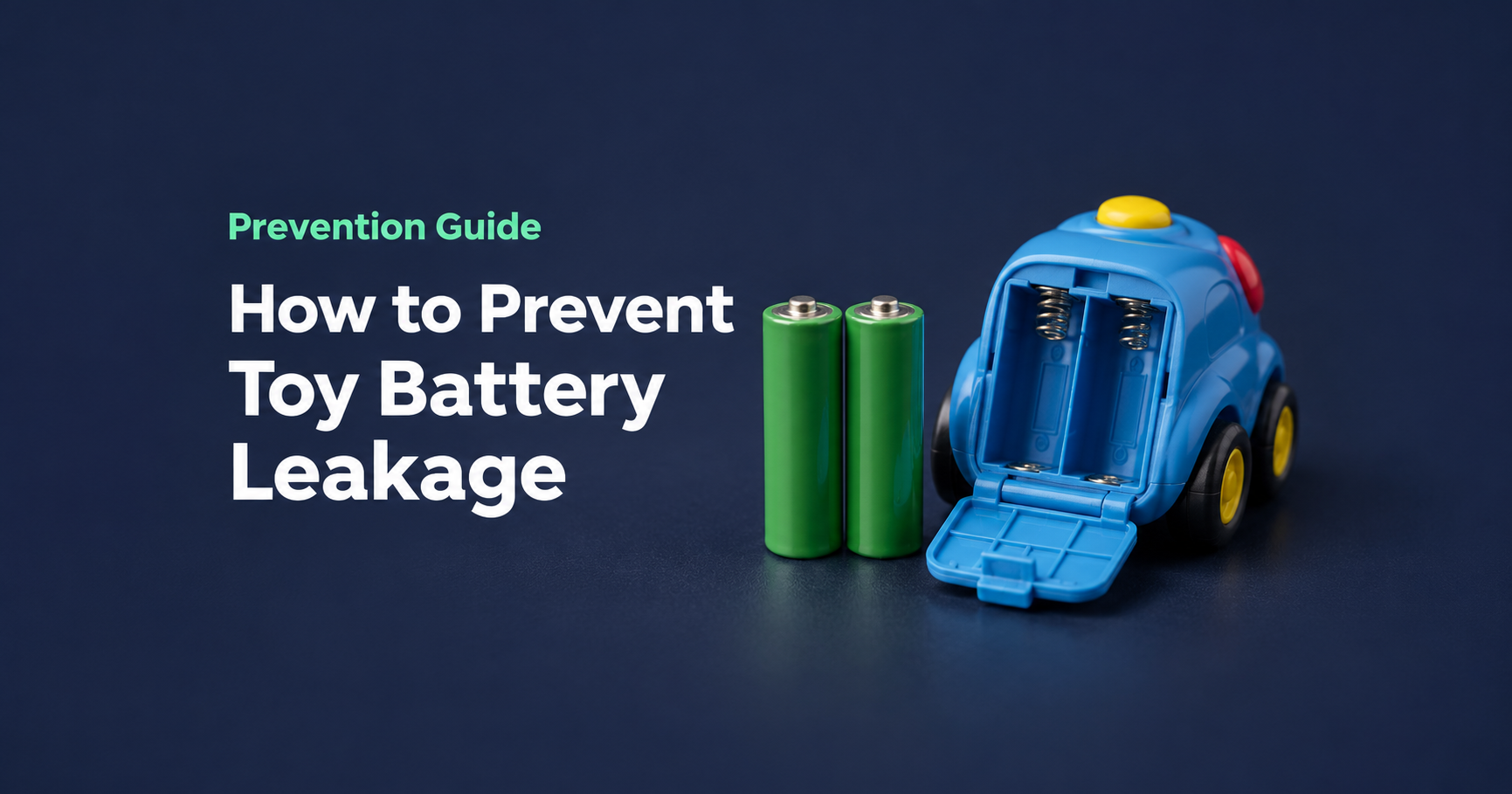
- Replace all batteries at the same time, using the same brand and type.
- Remove batteries from toys that will not be used for a few weeks.
- Check the battery compartment for white, green or blue residue, which is a sign of corrosion, and clean it carefully with a cotton swab and a little white vinegar, wearing gloves.
- Choose rechargeable batteries for toys that are used often, and use the correct charger.
- Make sure battery compartments are secured with a screw, especially for young children.
Inspect Toys Regularly
A quick monthly look can prevent accidents and save toys from further damage.

Repairing and Restoring Educational Toys
- Loose wooden joints: re-glue with a non-toxic wood glue and clamp until dry.
- Torn seams on plush toys: re-stitch with strong thread.
- Peeling paint or finish: remove the toy from play. If the toy has sentimental value, sand and refinish with child-safe paint.
- Missing puzzle pieces: contact the manufacturer for a replacement, or make a replacement from cardboard to keep the puzzle usable.
- Weak electronics: replace the batteries, clean the contacts and consult the manual for a reset.
- Broken or cracked plastic: if it has sharp edges or exposes small parts, it is safer to retire the toy.
Maintaining Toys in Classrooms and Shared Spaces
- Clean shared toys more often, especially those that are mouthed by younger children.
- Keep a “to be cleaned” bin for toys that have been used and mouthed.
- Label the storage containers with pictures and words, so that children can help with tidying.
- Keep a short inventory of kits and puzzles to track missing pieces.
- Remove broken toys from circulation immediately.
Common Mistakes to Avoid
- Soaking wooden or electronic toys.
- Using strong chemicals or bleach on toys children put in their mouths.
- Leaving toys in hot cars or direct sunlight.
- Mixing puzzle pieces in one big box.
- Leaving batteries in toys that sit unused for months.
- Ignoring cracks, loose parts or peeling paint.
- Throwing away instructions and care labels.
When to Retire or Replace a Toy
- It has cracks, sharp edges or exposed parts.
- It has small parts that come loose and are unsafe for young children.
- Its electronics are damaged or have been affected by water or heavy battery corrosion.
- It is missing key pieces and can no longer be used for its educational purpose.
- The child has outgrown it. Consider donating or passing on toys that are still in good condition.
Frequently Asked Questions
How often should I clean educational toys?
Wipe frequently used toys weekly, and clean those that go in mouths more often. Do a deeper clean every season, and clean any toy right away after illness or visible dirt.
Can I put educational toys in the dishwasher?
Only if the label says the toy is dishwasher safe. Avoid putting wooden, electronic or fabric toys in the dishwasher.
How do I clean wooden educational toys?
Wipe with a cloth that is lightly dampened with water and mild soap, then dry immediately. Never soak wooden toys.
How do I keep puzzle pieces from getting lost?
Store each puzzle in its own box or zip bag, count the pieces after play, and keep a designated play space so that pieces do not travel around the house.
How do I keep electronic toys working longer?
Use fresh batteries, remove them during long storage, avoid moisture, wipe the surface gently and keep the toy away from heat and rough handling.
How do I disinfect toys safely?
Clean with soap and water first, then use a toy-safe sanitizing product following the label directions. Rinse items that go into mouths and keep chemicals away from children.
When should I throw away a broken toy?
When it has sharp edges, exposed small parts, cracks or damaged electronics that cannot be repaired safely, it is time to retire it.
Final Thoughts
Knowing how to maintain educational toys helps protect your child’s health, keeps playtime safe and extends the life of toys you have chosen with care. Clean by material, store pieces together, inspect toys regularly and fix problems early. With a few small habits, your educational toys will stay in great shape and keep supporting your child’s learning for many years.