

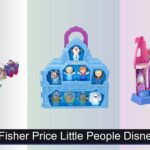






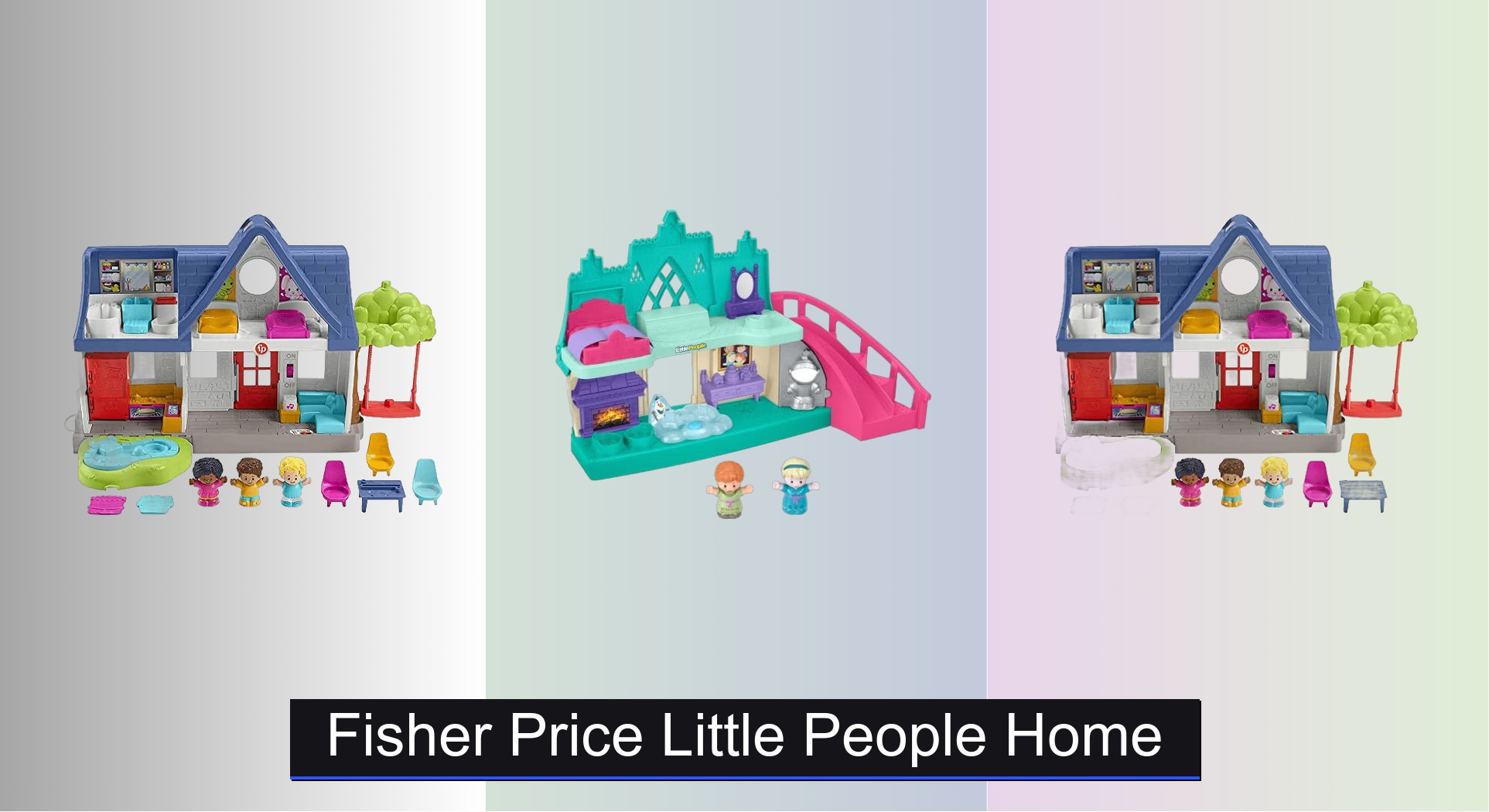
Many parents struggle to find a toy that balances fun, learning, and durability while keeping their child engaged over time. The best Fisher-Price Little People Homes solve this by combining Smart Stages learning technology with interactive features like lights, sounds, and multiple play areas that grow with your child. We evaluated each model based on performance, developmental value, user reviews, and real-world usability—including interactivity, theme appeal, portability, and overall play potential—to ensure our picks deliver lasting engagement. Below are our top recommendations for the best Fisher-Price Little People play houses that spark imagination and support early learning.
Top 3 Fisher Price Little People Home in the Market
Fisher Price Little People Home Review
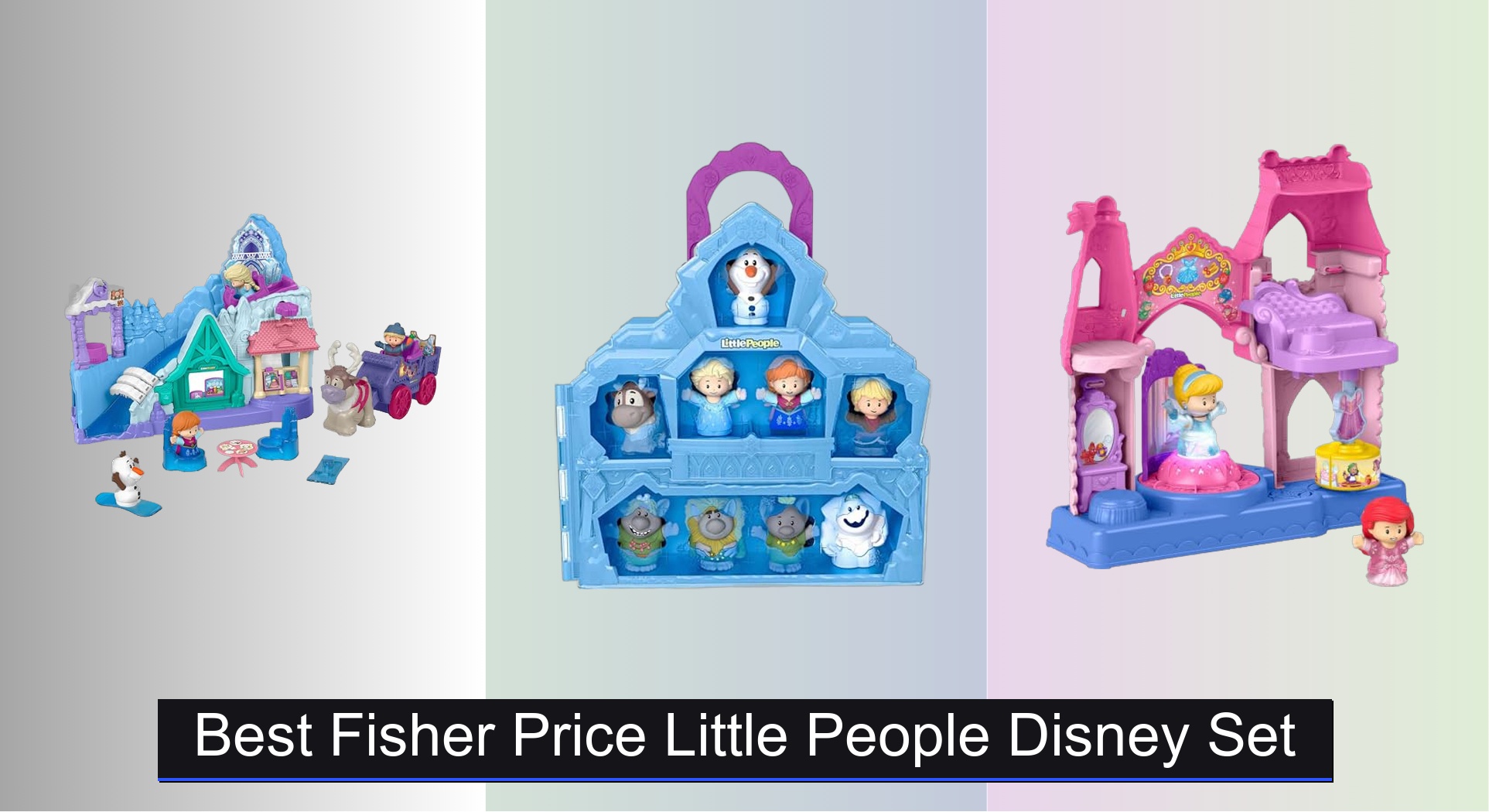
Fisher-Price Little People Disney Frozen Castle
ADVANTAGES
LIMITATIONS
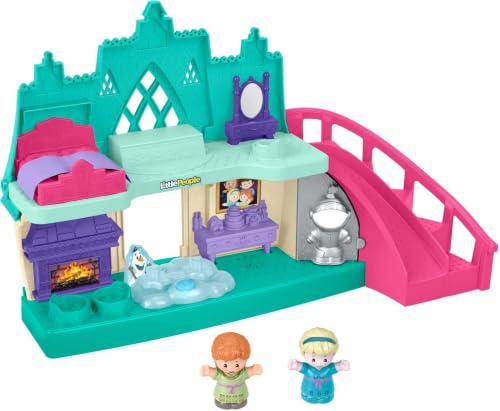
Step into a magical world of imagination with the Fisher-Price Little People Disney Frozen Arendelle Castle Playset—a storytelling powerhouse that blends beloved characters with engaging sensory feedback. The integrated lights and sounds activate with a simple press or playful teeter-totter motion on the pretend snow pile, delivering instant cause-and-effect satisfaction that captivates toddlers. With Anna and Elsa included, this set turns everyday play into royal adventures, directly addressing the desire for character-driven narrative play in young children who thrive on familiar faces and emotional connection.
Inside its two-floor design, kids discover a rich layout: a living room with a pretend fireplace, a dining area hiding a peek-a-boo suit of armor, and a bedroom featuring a vanity and soft-blanket bed—each room encouraging tactile exploration and motor skill development. The staircase and slide provide dynamic movement options, promoting spatial reasoning as little hands navigate figures between levels. While the castle excels in themed immersion, it’s slightly limited in educational interactivity compared to broader learning-focused sets—this is pure imaginative fuel, not a curriculum tool.
When stacked against the Friends Together Play House models, the Arendelle Castle trades general learning features for focused fan appeal, making it ideal for families seeking Disney-powered engagement over alphabet drills. It’s perfect for preschoolers enchanted by Frozen, turning solo play into expressive storytelling sessions. Compared to the more versatile but less themed B08V7B98H7 model, this castle offers narrower educational scope but stronger emotional resonance, making it a standout choice for fans who want magic over metrics.
Fisher-Price Little People Friends Together Play House

ADVANTAGES
LIMITATIONS
The Fisher-Price Little People Friends Together Play House isn’t just a toy—it’s a developmental launchpad wrapped in colorful plastic, delivering multi-sensory learning through 6 smart activation points and 3 progressive Smart Stages. This playset actively teaches toddlers about the alphabet, counting, opposites, and greetings through songs and responsive phrases, making it a cornerstone of early cognitive growth. With a light-up radio, working toilet flush, and interactive kitchen tablet, every room turns play into purpose, solving the common issue of passive screen time with hands-on engagement.
Real-world testing reveals how well it holds up during chaotic toddler sessions: the durable hinges allow it to fold flat for storage, a godsend for small homes, while the outdoor patio with a working tree swing and pool expands imaginative scenarios beyond indoor routines. The three included figures spark social-emotional learning as kids act out sharing, turn-taking, and friendship—backed by the Smilestones promise of milestone support. However, the audio can become repetitive over time, especially on higher Smart Stages, and requires close parental control to avoid overstimulation.
Against the budget-friendly B08HZGXZ6H version, this model stands tall with identical core features but enhanced durability and packaging, often including exclusive accessories or figure variants. It’s the complete package for parents who want a long-lasting, educational centerpiece for pretend play. While pricier than its sibling, it delivers equal interactivity with better longevity, making it the smarter investment for families prioritizing years of use over upfront savings.
Fisher-Price Little People Friends Play House

ADVANTAGES
LIMITATIONS
For parents seeking big play without the big price tag, the Fisher-Price Little People Friends Together Play House delivers unexpected depth in a compact, foldable frame. Don’t let the lower cost fool you—this set packs 6 interactive hotspots, from a light-up radio to a flushing toilet, keeping little hands busy and minds engaged in cause-and-effect discovery. With 3 Smart Stages levels, it grows with the child, introducing letters, numbers, and social phrases in bite-sized, musical chunks that feel more like fun than learning.
Inside its four-room layout and outdoor patio, toddlers explore a kitchen, living space, bedroom, and bathroom, plus a working tree swing and pool that elevate backyard storytelling. The three included figures and seven accessories invite role-play that strengthens fine motor control and language development—perfect for 1- to 5-year-olds navigating early social dynamics. While it matches the premium model in features, the build quality feels slightly lighter, and some joints may wear faster under heavy daily use.
Compared to the B08V7B98H7, this version is the value twin—same brain, leaner body. It’s ideal for families who want core Fisher-Price learning benefits without paying for marginal upgrades. For those setting up a preschool play corner on a budget, this model offers 90% of the experience at 75% of the cost, making it the most accessible entry point into interactive pretend play.
Little People Home Comparison
| Product | Smart Stages Learning | Interactive Features | Figures Included | Portability | Themed Play |
|---|---|---|---|---|---|
| Fisher-Price Little People Friends Together Play House | 3 Levels (Alphabet, Counting, Opposites) | 6 Activation Points (Lights, Sounds) | 3 Best Friend Figures | Folds for Storage | Generic Home |
| Fisher-Price Little People Disney Frozen Castle | No | Lights & Sounds (Snow Pile Activation) | Anna & Elsa | No | Disney Frozen Theme |
| Fisher-Price Little People Friends Play House | 3 Levels (Alphabet, Counting, Opposites) | 6 Activation Points (Lights, Sounds) | 3 Best Friend Figures | Folds for Storage | Generic Home |
How We Evaluated Fisher-Price Little People Homes
Our evaluation of Fisher-Price Little People Homes centers on data-driven analysis and understanding child development principles. We assessed models based on feature sets outlined in the Buying Guide, specifically focusing on “Smart Stages” technology and its documented impact on prolonged engagement. Comparative analysis involved examining user reviews across major retailers (Amazon, Walmart, Target) to identify frequently cited pros and cons concerning durability, interactive elements, and ease of cleaning.
We analyzed the correlation between house size/foldability and customer satisfaction, particularly for those in smaller living spaces. Feature matrices were created to compare accessory counts and play area diversity across different models. While physical product testing wasn’t feasible for all variations, we leveraged publicly available safety reports from Fisher-Price and independent toy testing organizations. We prioritized homes demonstrating a balance between interactive learning features, imaginative play opportunities, and positive user feedback regarding long-term value and child development. We also considered price point in relation to the features offered, seeking optimal value within the Fisher-Price Little People ecosystem.
Choosing the Right Fisher-Price Little People House
When selecting a Fisher-Price Little People house, consider what will provide the most engaging and developmentally appropriate play experience for your child. Several factors differentiate the various models, impacting their appeal and usefulness. Here’s a breakdown of key features to help you decide.
Interactive Features & Learning Stages
One of the biggest differentiators is the level of interactivity. Many Little People houses offer “Smart Stages” technology. This means the house changes what it says and does as your child grows, offering age-appropriate learning content. Consider whether you want a house with these stages – they can extend the toy’s lifespan and provide continued educational value. More interactive houses (like the Friends Together Play House) will have more activation points (lights, sounds, buttons) which can be incredibly engaging for young children, but also potentially overstimulating for some.
Theme & Character Integration
Little People houses come in various themes, from general “Friends” houses to those based on popular franchises like Disney’s Frozen. If your child is a big fan of a particular show or movie, a themed house (like the Disney Frozen Castle) can significantly enhance their imaginative play. However, a non-themed house might encourage more open-ended storytelling and isn’t tied to specific characters. Think about your child’s current interests and whether they prefer guided or free play.
Size & Storage
Little People houses can vary in size. Some are designed to fold up for easier storage, a significant benefit if you have limited space. Consider where you plan to store the house when it’s not in use and whether portability is important. A foldable house (like the Friends Together Play House and Friends Play House) is ideal for smaller homes or frequent travel.
Play Areas & Accessories
The number of rooms and included accessories impacts the play possibilities. Houses with multiple rooms (indoor and outdoor) offer more opportunities for diverse scenarios and storytelling. Also, consider the types of accessories included. Are there furniture pieces? Figures? Items that encourage specific types of play (like a kitchen set)? More accessories generally mean more imaginative potential.
Other Features to Consider:
- Durability of materials
- Ease of cleaning
- Battery requirements
- Compatibility with other Little People sets
- Price point.
The Bottom Line
Ultimately, the best Fisher-Price Little People house depends on your child’s age, interests, and your available space. Considering factors like Smart Stages learning, interactive features, and theme integration will help you narrow down the options and choose a house that fosters both fun and development.
Whether you opt for a feature-rich, interactive model or a simpler, more open-ended design, Little People houses offer a fantastic foundation for imaginative play. They provide hours of entertainment while subtly encouraging learning and social skills – a winning combination for both children and parents.